Frequency caps and quiet hours are the real retention features
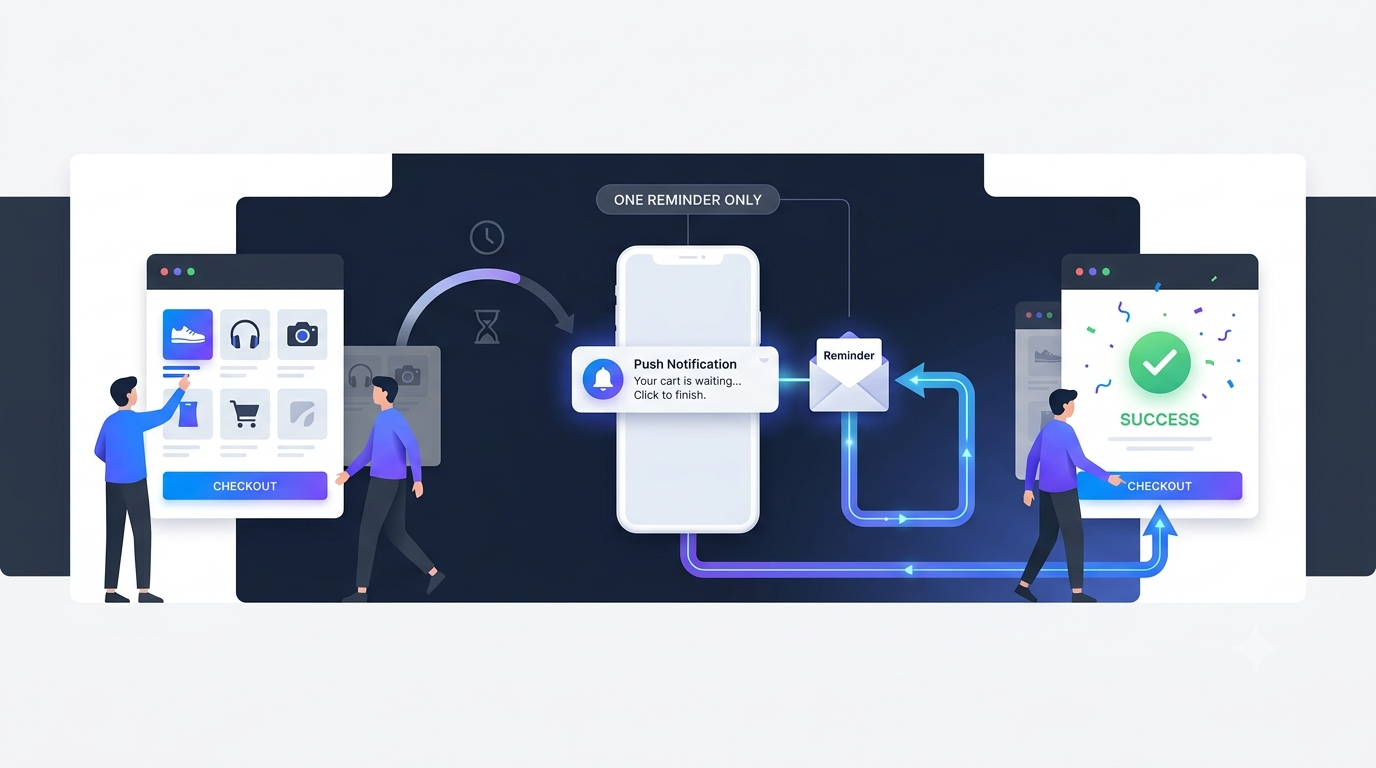
The most underrated part of an engagement stack is the ability to not send. Caps, cooldowns and quiet hours keep the channel alive.

Teams spend weeks on copy and almost no time on suppression. Users do not file a ticket when they are annoyed. They turn notifications off, and then you have lost the channel.
Three brakes, different jobs
- Cooldown is about the same campaign. If a user retriggers the event, they should not re-enter until the window passes.
- Frequency cap is about the person. Three unrelated campaigns in one afternoon should not become three banners.
- Quiet hours are about the clock, in the user's window, not yours.
You need all three. A cooldown without a cap still lets other campaigns pile on. A cap without quiet hours still fires at 3am.
Evaluate at send time
A user who was eligible when the campaign was scheduled may not be eligible when the delay ends. They converted, they finished onboarding, they already saw two messages today. The send path has to re-check segments, caps and quiet hours for that recipient — not trust the audience snapshot from an hour ago.
Caps should be boring
Daily or per-session limits are enough. Fancy "fatigue scores" are a research project. A hard cap you actually enforce beats a clever model you cannot explain when someone gets six pushes.
Measure the cost side
Opt-out rate after a campaign ships is as important as conversion. If disable-notifications ticked up, the campaign was not a win even if a few people clicked. Put that number next to the revenue one.
Where Retainza fits
Every Retainza send — push, email and in-app — enforces frequency caps and quiet hours per recipient. Event triggers support a cooldown so the same user cannot re-enter a sequence. Audiences are evaluated at send time, so finishers drop out instead of getting the rest of a campaign they no longer need.